A generation ago, ultrasonic inspections relied heavily on basic analog listening devices and operator experience, offering limited traceability and little ability to trend measurements over time. Today, modern Ultrasound Analysis relies on digital inspection tools and software capable of capturing, storing, and interpreting high-frequency acoustic signals with far greater precision, consistency, and traceability than earlier inspection methods.
This evolution reflects how far maintenance technologies have progressed, transforming Ultrasound Analysis from a niche troubleshooting technique into a high-impact component of the broader family of Condition Monitoring Techniques used in industrial reliability programs.
This shift toward smarter, faster, and more connected diagnostics mirrors the broader rise of Predictive Maintenance (PdM), where early-stage condition indicators and continuous asset-health monitoring help prevent failures before they compromise production, safety, energy efficiency, or maintenance budgets.
As industrial plants adopt more advanced Predictive Maintenance solutions, Ultrasound Analysis plays a critical role in detecting compressed air and gas leaks, steam trap failures, lubrication issues, bearing defects, and electrical discharges long before these problems become visible through conventional inspections or lead to functional failure. Because ultrasonic signals are often generated during the earliest stages of degradation, this technique provides an important layer of early fault detection within a PdM strategy.
Understanding the toolset behind this condition monitoring technique is essential. Ultrasound monitoring relies on a combination of hardware tools (including handheld ultrasonic detectors and permanently mounted ultrasonic transducers) and analysis software that stores, visualizes, and interprets ultrasonic inspection data. Each tool serves a distinct purpose, from rapid route-based inspections to continuous online monitoring of critical assets.
However, the integration of this toolset into a Predictive Maintenance platform unlocks its full value. Once ultrasonic inspection data is centralized and contextualized, the platform enables continuous trend analysis, automated alarm generation, anomaly detection, inspection traceability, and structured reporting across both critical and non-critical assets.
This article provides a comprehensive guide to the Ultrasound Analysis Toolset. You will learn how each hardware category works, when to use them, how ultrasound software supports diagnostics and inspection management, and how these elements can operate together within a modern PdM environment.
Table of Contents
Hardware Tools for Ultrasound Analysis
Ultrasound Analysis relies on a range of hardware tools designed to capture high-frequency acoustic signals generated by mechanical friction, turbulence, pressure leaks, electrical discharge, or lubrication-related phenomena across industrial assets operating under diverse conditions.
Each category of equipment serves a distinct inspection need, from portable route-based inspections to permanently installed continuous monitoring systems. Selecting the appropriate ultrasound inspection tool ensures that ultrasonic signals are captured consistently, accurately, and under representative operating conditions, enabling reliable fault detection and long-term trending within a Predictive Maintenance strategy.
The main hardware tools used in industrial Ultrasound monitoring include:
- Handheld Ultrasonic Detectors
- Fixed Ultrasonic Transducers
Handheld Ultrasonic Detector
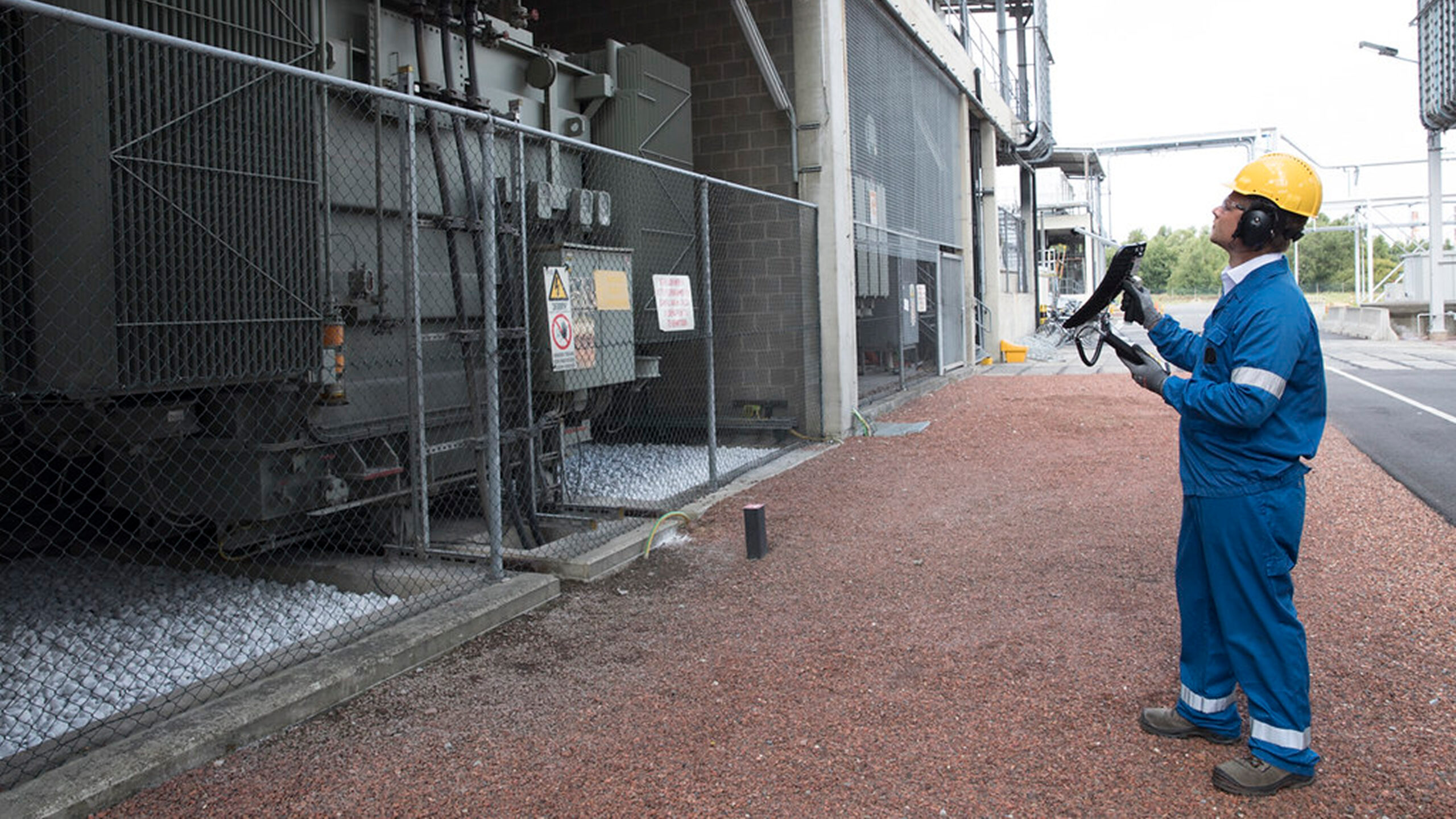
A Handheld Ultrasonic Detector is widely used for route-based inspections across mechanical, fluid, and electrical assets. This portable device, often shaped like a gun, is equipped with an onboard display, a headphone jack, and built-in data logging capability.
Its versatility comes from interchangeable probes, which enable operators to adapt the detector to different applications. An airborne sensor is typically used to detect leaks and partial discharges, while a contact probe is applied directly to components such as bearings, valves, or steam traps to capture structure-borne signals.
For situations requiring inspection at greater distances, such as overhead pipework or high-voltage switchgear, directional microphones or parabolic attachments provide enhanced airborne detection. Modern models, such as the SDT340 and the SDT Flexible Airborne Sensor, are examples of advanced ultrasound equipment that combine portability with advanced detection features, showcasing how ultrasound technology has become indispensable in predictive maintenance programs.
Fixed Ultrasonic Transducer
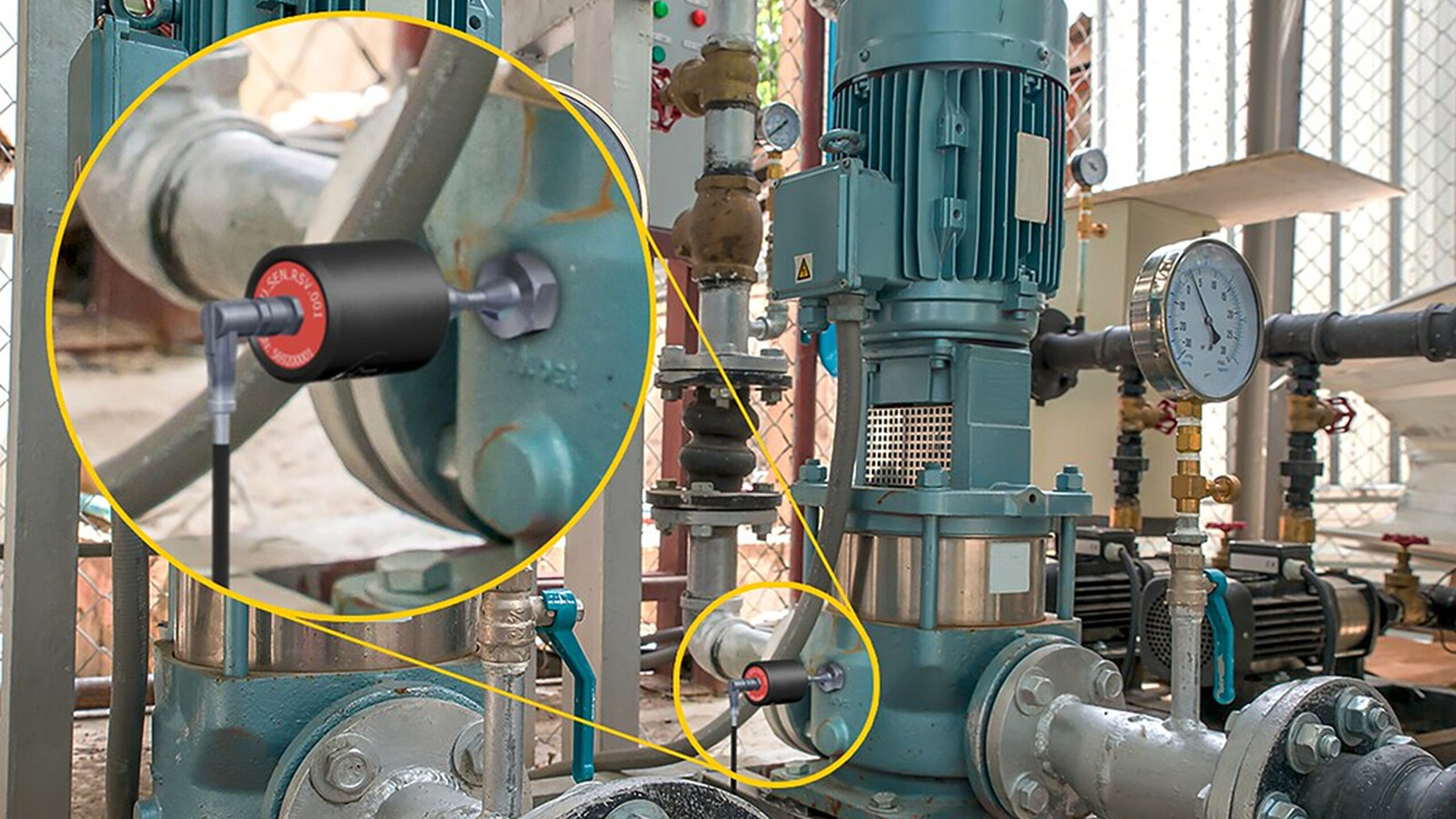
A Fixed Ultrasonic Transducer is permanently mounted on critical equipment to provide continuous ultrasonic testing and monitoring of acoustic emissions. It is typically installed on components such as bearing housings, gearboxes, or pressurized lines, where ongoing surveillance is essential to detect early signs of wear or leakage. Like other ultrasonic testing instruments, this transducer is usually connected directly to condition monitoring systems, allowing real-time data streaming, automated alerts, and long-term trend analysis. By ensuring uninterrupted monitoring, it reduces the reliance on manual inspections and improves the reliability of fault detection. A widely used example is the SDT CONMON Sense Sensors, which integrates seamlessly with predictive maintenance platforms to deliver continuous acoustic insight.
Ultrasound Data Management and Analysis Platform
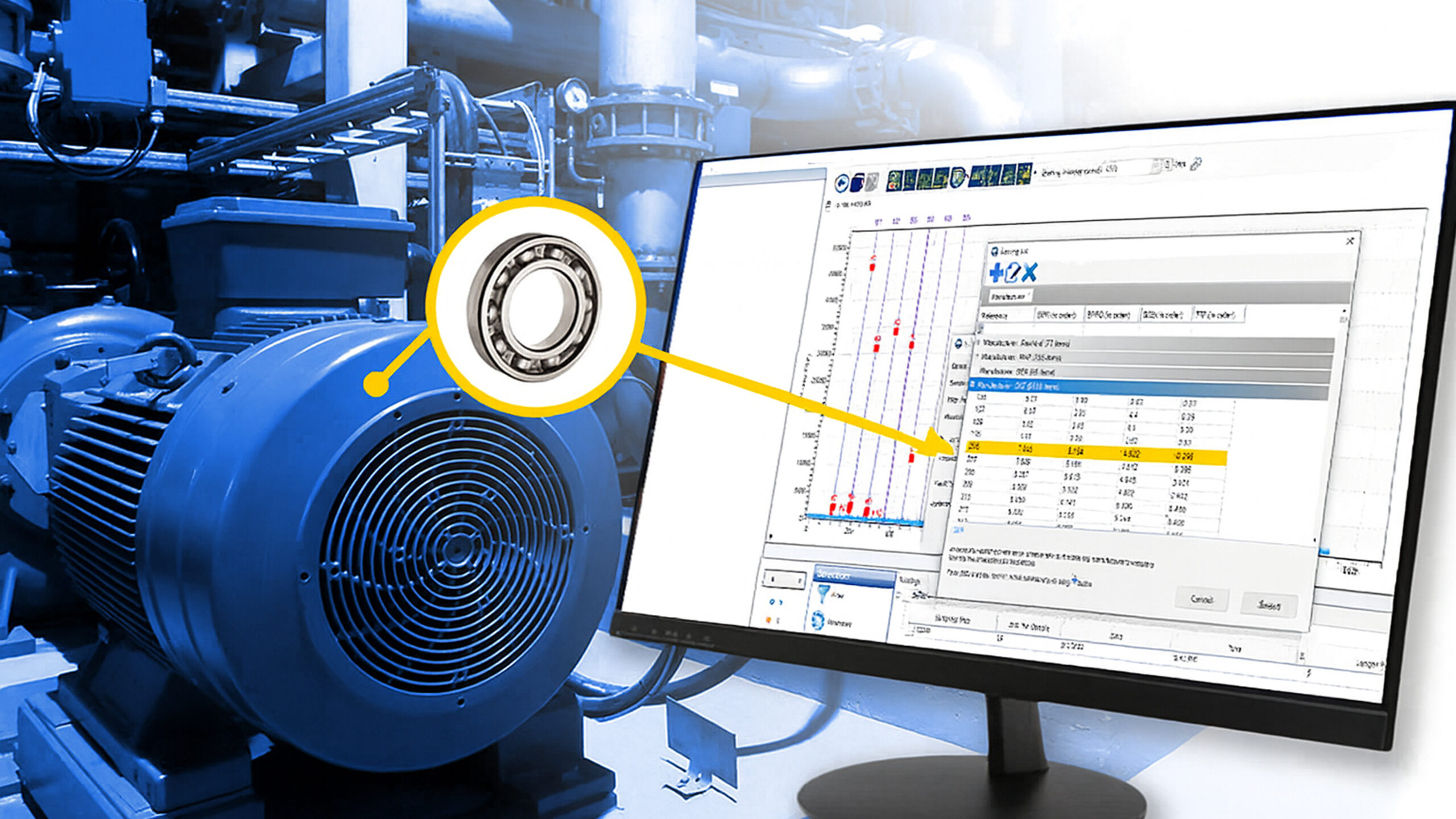
Ultrasound data management and analysis platform is used to log, store, and visualize inspection data over time, providing both historical context and real-time insights into asset health.
This software solution can store each inspection as a digital file, displaying outputs such as trend graphs, time waveforms, heterodyned audio playback, spectrograms, and even acoustic imaging, enabling in-depth fault analysis beyond what is possible in the field. It also allows technicians to compare new measurements against baseline thresholds and automatically generate detailed reports for maintenance records.
Many platforms support seamless integration with Predictive Maintenance systems, CMMS, or EAM tools, often leveraging IoT connectivity to ensure that anomalies detected by ultrasonic sensors are directly linked to actionable maintenance workflows within a structured monitoring program. A key example is the SDT Ultranalysis Suite (UAS), which combines advanced analysis capabilities with full integration into reliability programs.
Need Expert Support to Detect Hidden Failures with Ultrasound Analysis?
Reliable diagnostics depend not only on advanced ultrasound inspection tools and software, but also on correct sensor positioning, consistent inspection practices, and expert interpretation of ultrasonic signals. Accurate fault detection requires the right equipment, repeatable measurements, and the trained judgment needed to distinguish normal operating conditions from early-stage failure indicators.
Interpreting subtle acoustic changes often requires specialized training and contextual knowledge of machinery behavior, lubrication conditions, compressed air systems, steam systems, and electrical assets. Within I-care’s Ultrasound Analysis services, ultrasonic inspection data processed in I-see™ is reviewed by experienced reliability specialists who validate findings, identify developing faults, and translate inspection results into clear maintenance recommendations.
At I-care, our experts help you uncover hidden ultrasonic anomalies before they evolve into costly failures, energy losses, safety risks, or unplanned downtime.