A generation ago, thermal inspections relied on bulky, low-resolution scanners that required long cooldown periods, tripod setups, and expert-only operation. Today, compact radiometric cameras, handheld camera systems, automated inspection stations, and drone-mounted systems capture high-definition heat data in seconds.
This evolution reflects how far maintenance technologies have advanced, transforming Infrared Thermography Analysis from a specialized niche into an accessible, high-impact part of the broader family of Condition Monitoring Techniques used in industrial maintenance.
This shift toward smarter, faster, and more connected equipment mirrors the broader rise of Predictive Maintenance (PdM), where early detection and precise condition insights prevent failures before they compromise production or safety.
As industrial plants adopt more advanced Predictive Maintenance solutions, IR Thermography Analysis reveals thermal anomalies long before functional symptoms appear by detecting abnormal heat patterns that indicate deteriorating components, improving asset performance, reinforcing maintenance decision-making, and reducing unplanned downtime. These early-stage issues are often invisible to the naked eye, making infrared thermography a critical condition monitoring layer within a PdM strategy, supporting early fault detection and informed maintenance planning.
Understanding the toolset behind this condition monitoring technique is essential. Infrared Thermography inspections rely on a combination of hardware (handheld cameras, fixed monitoring systems, automated stations, or drones) and advanced software that processes, corrects, and interprets radiometric data. These tools help maintenance teams visualize thermal patterns that influence equipment and process reliability.
However, the integration of this toolset into a Predictive Maintenance platform unlocks its full value. Once IR thermography data is centralized and contextualized, the platform enables continuous monitoring, trend analysis, anomaly detection, and automated reporting across both critical and non-critical assets.
This article provides a comprehensive guide to the Infrared Thermography Toolset. You will learn how each hardware category operates, when to use them, how thermal analysis software turns images into diagnostic insights, and how all these elements function together within a PdM environment.
Table of Contents
Hardware Tools for Infrared Thermography
Infrared Thermography relies on a range of infrared thermal imaging cameras designed to capture radiometric images and temperature data derived from the infrared radiation emitted by assets operating under diverse conditions.
Each type of thermographic camera serves a different inspection need, whether mobile, continuous, automated, or remote. Selecting the appropriate hardware ensures that the captured image accurately reflects the asset’s thermal condition.
To make the right choice, in addition to considering the type of inspection to be performed, it is essential to understand one key technical characteristic that differentiates infrared cameras: thermal resolution.
Technically, thermal resolution is defined by the size of the infrared detector matrix, not by the display screen itself. Typical configurations range from lower-resolution arrays (80×60 or 160×120 detectors) up to high-resolution sensors (320×240, 640×480 detectors, or higher).
Each detector element captures incoming infrared radiation and converts it into an electrical signal, which is then processed and rendered as a colored pixel on the screen. While resolution is often expressed in “pixels” in practice, it is the number of detectors that determines the camera’s ability to resolve small thermal details.
Lower detector resolutions are sufficient for identifying broad thermal anomalies across large surfaces, whereas higher resolutions (640×480 detectors as a common rule of thumb) are required to analyze small targets or subtle thermal gradients, such as thin electrical conductors or compact electrical connection points.
The main hardware tools used in industrial infrared inspections include:
- Handheld Infrared Cameras
- Fixed or Mounted Infrared Cameras
- Automated IR Inspection Stations
- Drone-mounted Infrared Cameras
Handheld Infrared Cameras
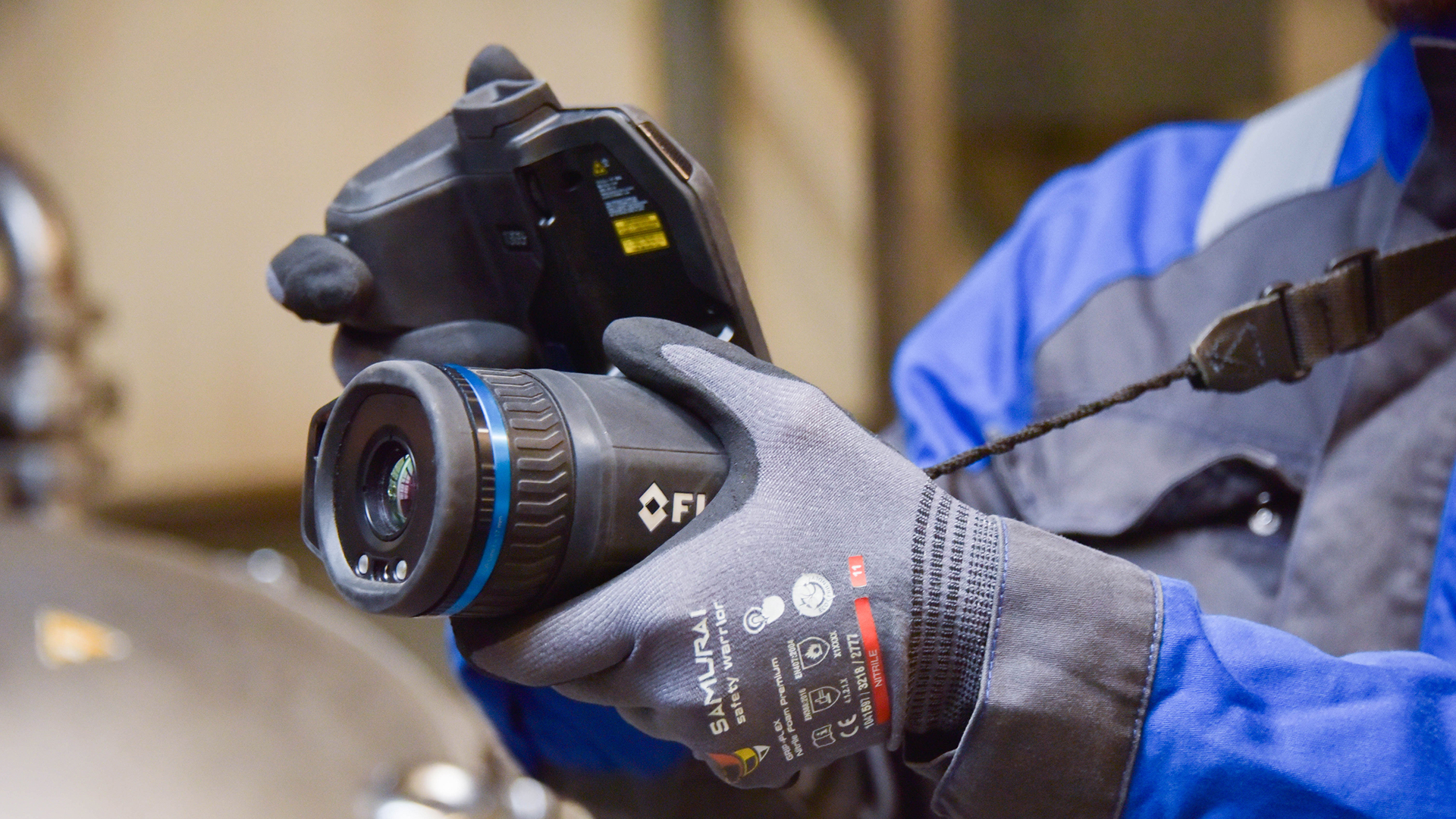
A Handheld Infrared Camera, also referred to as a portable thermal imager, is commonly used during manual inspections or route-based maintenance. Technicians use this portable infrared technology to measure surface heat during spot checks on electrical and mechanical components, capturing thermal images and real-time temperature readings on the go. These measurements are derived from the infrared radiation naturally emitted by equipment surfaces during operation.
Modern models feature built-in displays, basic analysis tools, and connectivity options such as Wi-Fi, Bluetooth, or USB, enabling the ability to instantly upload radiometric images and temperature data into PdM Platforms for automated trending, analytics, and alerting. This capability is especially useful for validating process temperatures that fluctuate during production cycles.
Those kinds of cameras are available in different resolutions, ranging from lower-resolution arrays (80×60 or 160×120 detectors) up to high-resolution sensors (320×240, 640×480 detectors or higher). The selection of resolution depends on the smallest physical target or thermal detail that must be inspected: lower resolutions are suitable for identifying broad anomalies on pipes or housings, while higher resolutions (e.g., 640×480 detectors or higher) are required for fine targets such as thin, round electrical conductors. Higher sensor resolution improves image clarity, which is essential when examining small targets or subtle thermal gradients, and enhances the camera’s ability to detect slight variations in emitted infrared radiation.
A Handheld Infrared Camera is ideal for quickly identifying excessive heat on overloaded electrical connections and friction-affected mechanical components. It’s frequently used across plant floors to inspect all kinds of equipment, both critical and non-critical (e.g., electrical high and low tension, electrical cabinets, control rooms, etc.), utility panels, or process lines during standard inspection rounds.
Example: FLIR handheld cameras like those used by Infravision’s experts, the I-care’s ISO 17020-accredited division, during their professional infrared inspections.
Fixed or Mounted Infrared Cameras
A Fixed or Mounted Infrared Camera is installed in strategic locations for long-term, continuous thermal monitoring of critical assets or processes. This type of installation provides uninterrupted 24/7 thermal visibility over critical equipment. The fixed system continuously measures emitted infrared radiation, ensuring that temperature rise patterns and subtle anomalies are detected early. By capturing image data from a stable, fixed viewpoint over time, it enables precise long-term thermal trending.
This system is typically hard-wired for power and data, and directly integrated with PLC/SCADA systems and PdM Platforms, offering features such as real-time alerts, automated trend analysis, and on-the-fly reporting through centralized dashboards.
A Fixed or Mounted IR Camera is commonly deployed for continuous monitoring of industrial processes (e.g., molten baths, furnaces) or for general surveillance of areas with fire or explosion risks (e.g., waste storage facilities), where uninterrupted thermal surveillance helps detect early signs of overheating, mechanical stress, or gas leaks (when equipped with OGI-capable systems).
Automated IR Inspection Stations
An automated IR inspection station combines fixed thermal imaging cameras with robotics or automated motion systems to perform repetitive inspections or quality control tasks, making them ideal for manufacturing lines, assembly processes, and incoming-part verification, where speed and inspection consistency are critical.
This automation not only improves throughput, reliability, and inspection efficiency but also enables early detection of thermal anomalies in fast-paced industrial environments.
Fully integrated with PLC/SCADA systems and PdM Platforms, this station can trigger inspections on demand, automatically log radiometric data, and generate real-time alerts, trend analyses, and archived inspection reports.
Drone-mounted Infrared Cameras
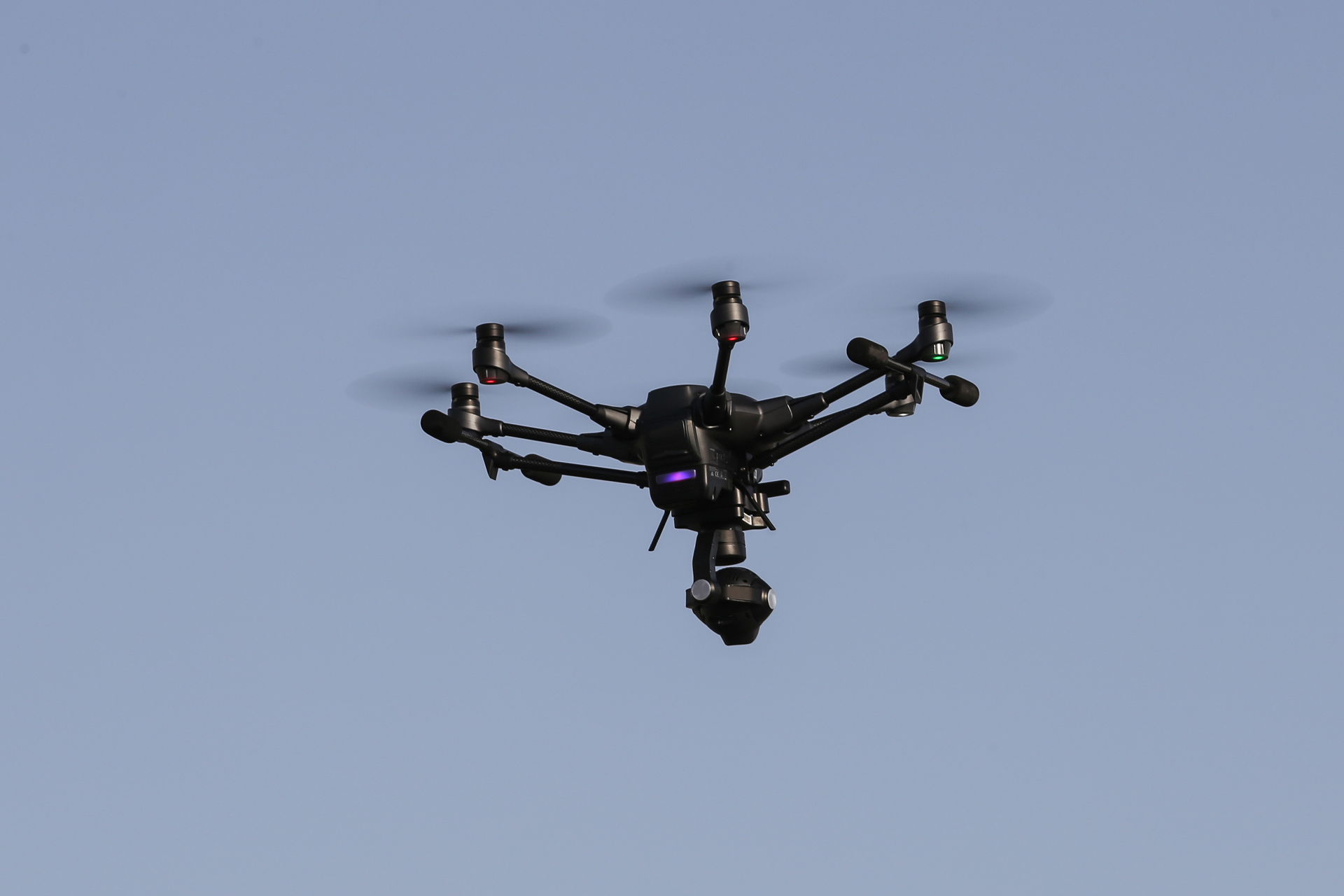
An infrared camera can be integrated into a UAV with automated flight-planning software, enabling repeatable and systematic inspection routes. This system is ideal for inspecting elevated, wide-area, or remote assets, such as power lines, rooftops, solar farms, pipelines, and electrical substations, without requiring scaffolding or direct operator access.
During flight, the drone-mounted IR camera records thermal video and streams real-time data to ground stations. Operators can immediately observe unusual heat distribution across the inspected structures. Post-inspection, it can batch-upload radiometric images and flight logs into a PdM Platform for near-real-time analytics, trending, and alerting.
Thermal Analysis Software
A Thermal Analysis Software is essential for processing and interpreting raw radiometric data captured by infrared cameras, regardless of the camera model or inspection configuration. Certified thermographers and PdM engineers rely on this platform to analyze thermal patterns and perform advanced diagnostics that go beyond in-field capabilities.
Post-inspection adjustments, including emissivity tuning, reflected temperature correction, and ambient compensation, ensure temperature readings are accurate and reliable. Comprehensive inspection reports, historical comparisons, and temperature trend documentation help drive high-precision analysis and informed decisions about asset health within industrial maintenance workflows.
Need Expert Support to Turn Thermal Data Into Clear Decisions?
Reliable insights depend not only on advanced Thermal Analysis software but also on consistent image quality, correct emissivity settings, environmental adjustments, and expert interpretation. Accurate diagnostics require the right tools, precise corrections, and the trained eye of certified thermographers.
Interpreting subtle heat deviations often requires specialized training and contextual knowledge. With I-care’s Infrared Thermography Analysis services, advanced imaging technologies, and expert diagnostics come together to uncover hidden anomalies before they turn into costly failures
At I-care, our experts help you uncover invisible thermal anomalies that signal early-stage failures.