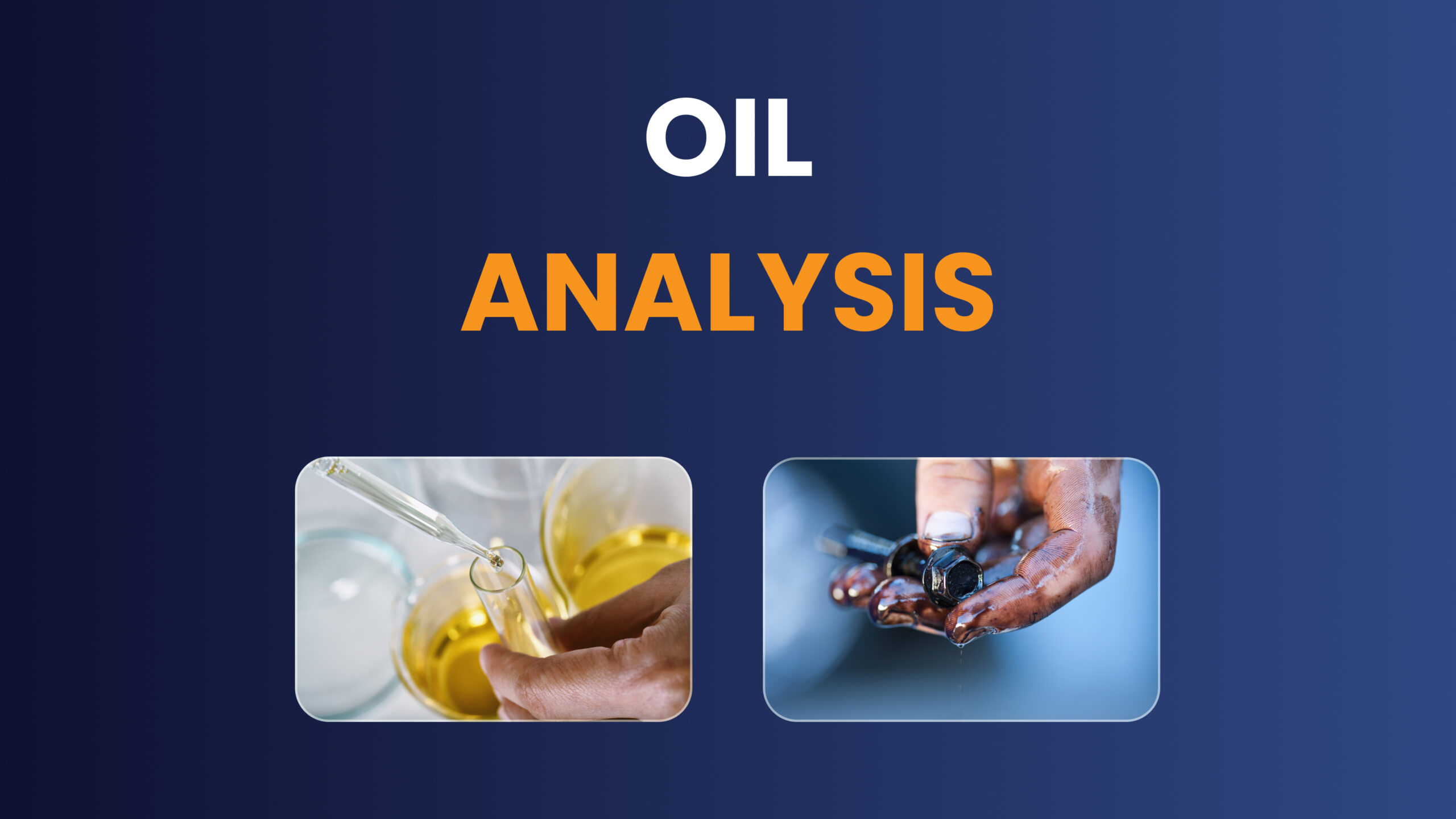
For decades, maintenance teams judged oil health by rubbing a drop between finger and thumb. If it felt gritty or smelled burnt, trouble was brewing. Today, a small oil sample sent to the lab returns a full elemental spectrum that flags wear long before anyone feels grit.
This illustrates the evolution from traditional “tricks” to advanced maintenance practices, highlighting the importance of Predictive Maintenance (PdM), involving accurate assessments to detect equipment issues before they escalate into significant faults.
Oil analysis in Predictive Maintenance solutions is a key Condition Monitoring technique that reads a machine’s “blood” to reveal both lubricant health and internal component wear. As part of Predictive Maintenance services, it works alongside vibration analysis, infrared thermography, ultrasound analysis, motion magnification, and motor circuit analysis to stream high‑value asset‑health data into your analytics platform. The result is fewer surprises, less unplanned downtime, and smarter scheduling.
This article is a guide to what Oil Analysis is, how it works step by step, the tools involved (field and laboratory), and how it integrates with a Predictive Maintenance platform. Additionally, it covers fault indicators that it detects and assets that are commonly monitored. It also highlights real-world examples and practical benefits of applying this powerful technique in various industries.
Table of Contents
What Is Oil Analysis?
Oil Analysis is a powerful, non-destructive Condition Monitoring technique to determine the condition of both lubricant health and internal wear by analyzing in-service oils and measuring their chemical, physical, and particulate properties in samples taken from engines, gearboxes, hydraulic systems, turbines, and other lubricated assets. It is especially valuable for systems with large lubricant volumes, long oil-change intervals, limited physical accessibility, or exposure to high load, thermal stress, or contamination risks.
This method is widely used in Predictive Maintenance, alongside other Condition Monitoring techniques (Vibration Analysis, Infrared Thermography, Ultrasound Analysis, Motion Magnification, and Motor Circuit Analysis). While distinct from proactive maintenance strategies that focus on eliminating root causes, Oil Analysis plays a central role in Predictive Maintenance by detecting lubricant and wear anomalies before they escalate.
Fresh lubricants start clean and chemically balanced. Over time, component wear, contaminant ingress, and thermal stress introduce metal particles, water, fuel, acids, and additive depletion, producing characteristic shifts in viscosity, cleanliness codes (e.g., ISO 4406), and elemental spectra.
Within Predictive Maintenance, technicians perform oil condition analysis, using laboratory methods or inline fluid‑condition sensors, highlighting emerging defects long before they lead to equipment failure or reduced operating efficiency. Maintenance teams often prioritize Oil Analysis when Failure Modes and Effects Analysis (FMEA) highlights lubrication-related failure modes as significant contributors to equipment failure risk.
What Does Oil Analysis Aim to Detect?
Oil Analysis detects a wide range of lubricant and equipment wear indicators that threaten asset reliability and performance. These are early indicators of developing faults, allowing timely intervention and more effective maintenance. The key benefit lies in identifying problems through abnormal chemical, physical, and particulate changes in in-service oils, long before equipment failure occurs.
Each failure mode produces a distinct “Lubricant Fault Indicator” reflecting the physical or chemical processes taking place inside the machine.
Wear introduces metallic debris, contamination adds foreign elements, combustion creates acids and soot, and thermal stress alters viscosity and additive chemistry. By capturing these variations, Oil Analysis provides a detailed fingerprint of asset condition.
Specifically, Oil Analysis can detect:
- Wear & fatigue: Elevated iron, copper, or lead (gear, bushing, or bearing wear); high counts of spherical or irregular ferrous particles and rising ferrous density (bearing fatigue, crack initiation, pitting).
- Contamination & ingress: Increased silicon or aluminum levels (airborne dirt, abrasives); excess water (seal failure, coolant ingress, condensation); atypical particle-size distribution or high ferrous density despite normal counts (filter collapse or bypass valve failure).
- Lubricant degradation: Rising TAN and oxidation markers (oil aging, additive depletion); dropping TBN in engines (acid buildup from combustion byproducts); viscosity increase (oxidation, soot, glycol contamination); viscosity decrease (fuel dilution, shear under high load).
- Fuel-system faults (engines): Depressed flash point and elevated light hydrocarbons (injector dribble, piston-ring wear, intake leaks).
- Gear tooth damage: Sharp-edged ferrous fragments and elevated chromium/manganese (micro-fracture and tooth chipping under overload).
Which Assets Are Typically Monitored with Oil Analysis?
In practice, Oil Analysis is applied to a wide range of lubricated assets across industrial and mobile equipment environments. Its effectiveness is particularly evident when monitoring systems where internal wear, contamination, or lubricant degradation can directly impact performance and reliability.
Even small variations in oil chemistry or particulate content provide early indicators of failure, allowing maintenance teams to intervene before efficiency, safety, or asset health is compromised.
Typical assets monitored with Oil Analysis include:
- Engines (diesel, gas, and turbine engines in generators and mobile equipment)
- Gearboxes (planetary, helical, bevel gear systems in conveyors, mixers, extruders, and wind turbines)
- Hydraulic systems (presses, injection molding machines, casting equipment, valves, cylinders, and actuators)
- Compressors (reciprocating, rotary screw, centrifugal)
- Turbines (steam, gas, and wind)
- Pumps (centrifugal and high-volume lubricated pumps)
- Industrial gear drives (standalone reducers and gear motors)
- Circulating oil systems (paper machines, rolling mills, large bearings)
- Final drives and transmissions on heavy mobile assets (mining trucks, construction machinery)
How Does Oil Analysis Work?
Oil Analysis is a systematic process comprising the following five detailed steps:
- Deployment via route-based or inline sensors
- Data collection of in-service oil samples at operating temperature
- Data transformation using particle counting, elemental spectroscopy, viscosity measurement, Karl Fischer Titration, TAN/TBN, and FTIR analysis
- Baseline comparison of oil parameters against manufacturer specifications or historical “known-good” data
- Fault-signature mapping by matching abnormal oil properties and wear-particle profiles to a fault library for classification and prioritization
Step 1: Deployment Modes
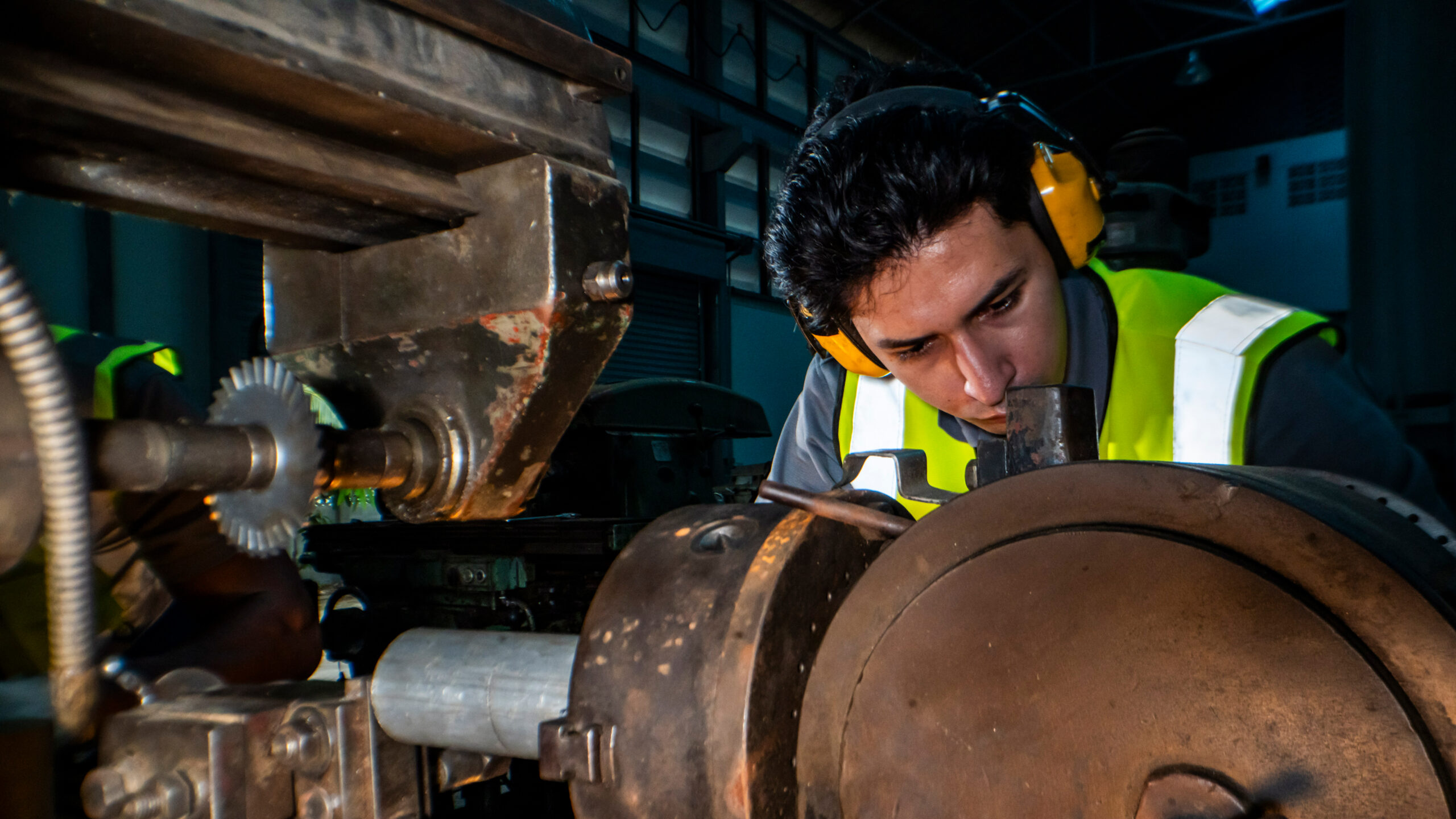
Oil Analysis can be deployed in two modes: route-based mode and inline sensors mode, depending on asset criticality, age, need for instant results, and required monitoring frequency.
- Route‑based mode: Technicians collect oil on a scheduled basis from tanks, gearboxes, or bearing housings (only a minority of bearing housings are oil-lubricated; most are grease-lubricated). Samples are then sent to an oil analysis laboratory for a complete chemical and wear profile. This approach requires minimal infrastructure, making it cost-effective and widely used for non-critical and semi-critical assets.
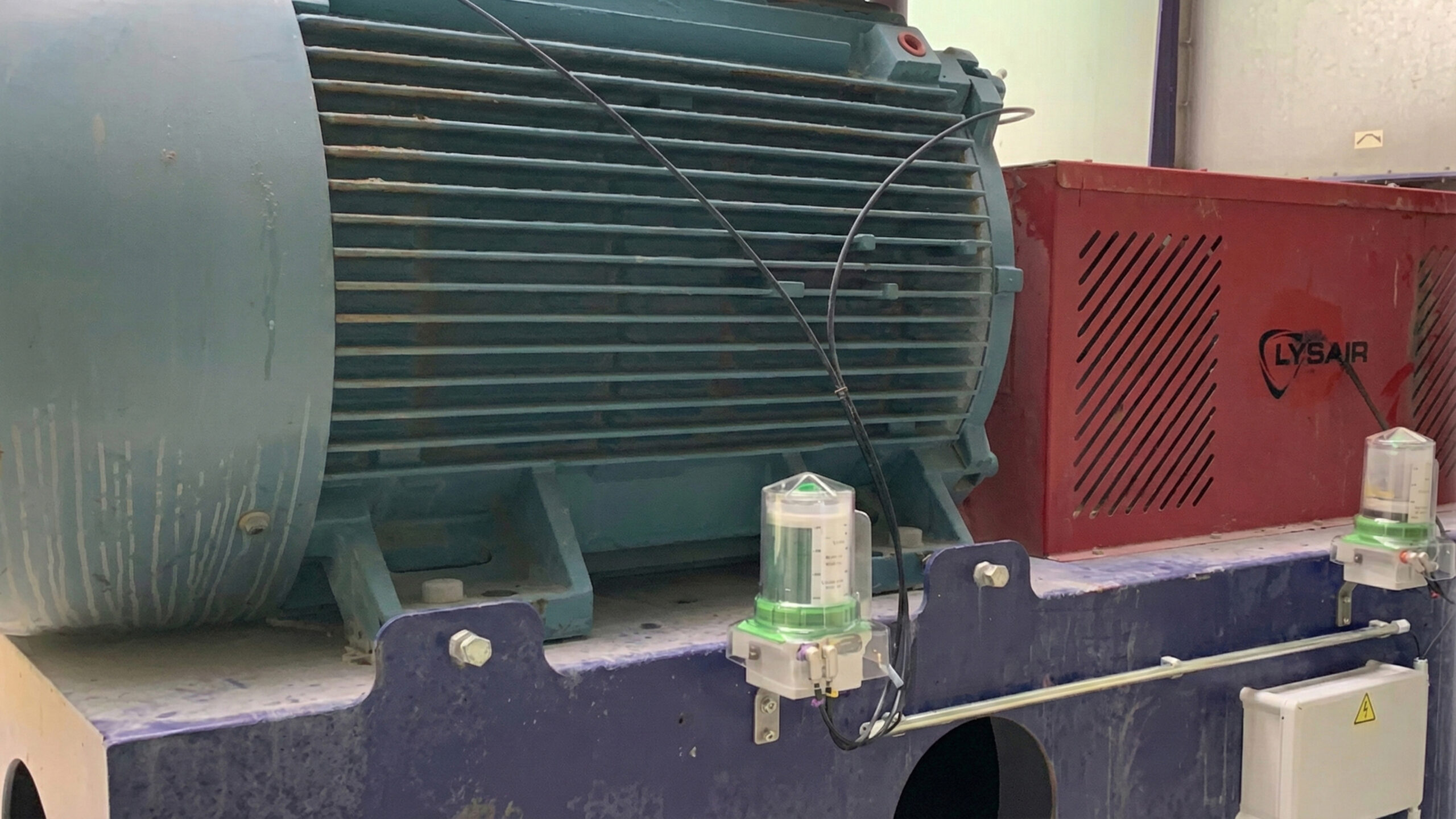
- Inline sensors mode: Permanently installed sensors (inductive particle counters, ferrous debris sensors, moisture detectors, and dielectric sensors) provide continuous data on contamination, water ingress, and general oil degradation. They feed a PdM platform for automated alerts and maintenance scheduling. Inline sensing does not replace laboratory testing for metal-specific wear analysis, but it can trigger early alerts that prompt timely lab sampling. It is particularly valuable for critical or remote equipment where early detection of anomalies is essential.
Step 2: Data Collection
Oil Analysis begins by withdrawing lubricant samples from assets such as reservoirs, gearboxes, sumps, hydraulic lines, or bearing housings. Samples are typically collected through a dedicated sampling valve, using a vacuum pump with single-use, flexible tubing, or, in some cases, during scheduled drain intervals.
To ensure accuracy, samples should be taken midstream at normal operating temperature, avoiding stagnant zones or settled particulates at the bottom of the sump. Proper technique is critical: use clean, sealed bottles, prevent external contamination, and apply the same method consistently across all assets and routes.
For route-based programs, sampling frequency and location depend on asset criticality, operating conditions, oil type, and asset age. Consistent timing and methodology ensure that trends over time reflect the true condition of both the lubricant and the machine.
For online and inline monitoring, permanently installed oil-condition sensors continuously measure parameters such as particle concentration, moisture content, dielectric constant, or viscosity. These sensors stream real-time data into the Predictive Maintenance platform, complementing laboratory analyses with early alerts on contamination or degradation. The combination of periodic sampling and continuous sensing provides a comprehensive picture of lubricant and asset health.
Step 3: Data Transformation
Once collected, raw oil samples cannot directly reveal machine health. To become actionable, they must be processed and transformed into quantifiable data. This can occur in two ways: either on-site, using portable diagnostic equipment for quick screening, or in a specialized laboratory, where a full suite of tests provides the most detailed results.
In both cases, the transformation step converts physical and chemical characteristics into measurable parameters:
- Particle counting and ferrography to assess cleanliness and identify wear modes
- Elemental spectroscopy (ICP or RDE), a form of spectral analysis, to detect wear metals, contaminants, and additives
- Viscosity measurement to verify grade and shear stability
- Water content analysis, often via Karl Fischer titration
- Acid/base number testing (TAN/TBN) to track oxidation and additive depletion
- FTIR analysis to monitor oxidation, nitration, sulfation, or glycol contamination
In more advanced workflows, detailed particle morphology from analytical ferrography or high-sensitivity FTIR techniques provides deeper insight into failure modes that standard tests might miss.
The processed results are compiled into an oil-condition report, which, like vibration spectra or infrared thermograms, forms the basis for trending, fault detection, and diagnostic decisions within a Predictive Maintenance strategy.
Step 4: Baseline Comparison
Each oil-condition report is interpreted by comparing results against a baseline reference that represents the healthy operating state of the lubricant and machine.
Baselines may come from manufacturer specifications (e.g., ISO 4406 cleanliness codes, viscosity grade ranges), industry standards, or historical in-service data collected under known-good conditions.
When a new oil sample is analyzed, its parameters are systematically compared to the baseline. Deviations such as elevated iron or copper levels, rising particle counts, viscosity shifts, or unexpected TAN/TBN changes provide early indicators of wear progression, contaminant ingress, or lubricant degradation.
To ensure accurate comparison, critical factors must align: the lubricant type and additive package, operating temperature, and consistency in sampling point and method. Any mismatch can distort the analysis and reduce diagnostic reliability.
Advanced oil analysis programs strengthen baseline comparison by trending results over multiple samples and applying statistical or software-based rules. This increases sensitivity to gradual deterioration, enabling maintenance teams to detect subtle changes long before they escalate into failures.
Step 5: Fault-Signature Mapping
Once laboratory or on-site test results are available, each parameter is analyzed for deviations that correspond to known fault signatures. These correlations link variations in chemical, physical, or particulate properties to specific wear mechanisms, contamination sources, or lubricant degradation modes.
In Oil Analysis, common fault signatures include:
- High iron or copper levels, associated with bearing, gear, or bushing wear
- High silicon or aluminum levels, indicating the ingress of dirt or abrasive contaminants
- High water content, suggesting seal failure, coolant leakage, or condensation from the environment
- Rising acid number (TAN), pointing to oxidation, oil aging, or additive depletion
- Decreasing base number (TBN), linked to acid buildup in combustion-engine lubricants
- Viscosity increase, caused by oxidation, soot accumulation, or glycol contamination
- Viscosity drop, resulting from fuel dilution or shear degradation under high load
Trained analysts or predictive maintenance platforms systematically map these diagnostic patterns against established fault libraries. The insights guide targeted corrective actions, such as lubricant replacement, filter or seal inspection, or scheduled component maintenance, and indicate when maintenance should be performed to prevent minor deviations from escalating into costly failures.
What Tools Are Used in Oil Analysis?
Oil Analysis relies on two categories of tools: on-site and portable tools used to collect oil samples and perform preliminary condition checks in the field, and laboratory instruments that analyze lubricant properties and wear indicators in detail.
On-site & Portable Tools
- Oil Sampling Kits: Standardized kits used during route-based inspections to collect representative in-service oil samples. Consistent sampling practices are essential to ensure reliable trend analysis and diagnostic accuracy.
- Handheld Particle Counters: Portable devices used in the field to quickly assess oil cleanliness by measuring particle concentration and size distribution. They help detect contamination events, filtration issues, or abnormal wear progression.
- Portable Oil Condition Sensors: Handheld instruments used on-site to measure key lubricant parameters such as moisture content, viscosity, or dielectric properties. They support rapid decision-making during inspections and help determine whether further laboratory analysis is required.
- Inline Oil Condition Sensors: Permanently installed devices that provide continuous monitoring of oil parameters such as particle concentration, moisture, viscosity, or dielectric properties. They support early detection of contamination or degradation and feed data into Predictive Maintenance platforms for automated alerting and trending.
Laboratory Instruments
- Spectrometers (ICP or RDE): Laboratory instruments used to quantify wear metals, additive elements, and contaminants, supporting wear identification and root-cause analysis.
- Fourier-Transform Infrared (FTIR) Analyzers: Tools used to detect chemical degradation mechanisms such as oxidation, nitration, sulfation, and coolant or fuel contamination.
- Viscometers: Instruments used to verify lubricant viscosity and detect changes caused by oxidation, thermal stress, fuel dilution, or shear degradation.
- Karl Fischer Titrators: Precision instruments used to measure water content in oil at very low concentrations, supporting early detection of moisture-related failure risks.
- Automatic Titrators (TAN/TBN): Laboratory tools used to track acid buildup and alkaline reserve depletion, providing insight into oil aging and additive health.
- Automated Particle Counters: Instruments used to measure particulate contamination and cleanliness levels with high accuracy and repeatability.
- Ferrography Units: Analytical tools used to examine wear particle size, shape, and composition, enabling detailed assessment of wear mechanisms and severity.
How Does Oil Analysis Integrate with a Predictive Maintenance Platform?
Oil Analysis data feeds directly into the Predictive Maintenance platform (e.g., I-see software). For example, I-see integrates natively with POLARIS Laboratories, allowing automatic import of certified lab results without manual uploads and ensuring real-time visibility across entire fleets of assets.
This seamless flow, from sample collection to diagnostic interpretation and work order creation, transforms Oil Analysis from a standalone laboratory activity into a real-time pillar of Predictive Maintenance strategy.
Each oil analysis report, whether generated in a certified laboratory or with inline oil-condition sensors, is uploaded to the PdM platform, where results are normalized and tagged with asset metadata. The platform then:
- Charts wear-metal concentrations and oil-condition parameters (e.g., iron in ppm, viscosity, TAN) against historical baselines to detect gradual degradation.
- Runs anomaly-detection rules and AI/ML models on molecular and particulate data to flag sudden deviations or emerging fault patterns.
- Classifies fault signatures automatically (component wear, contamination ingress, additive depletion) and estimates Remaining Useful Life (RUL).
- Triggers alerts when user-defined thresholds or deviation rules are breached.
- Generates suggested work orders directly in the CMMS (e.g., MVP One) or ERP systems for timely and prioritized interventions.
What Are the Advantages of Oil Analysis?
By revealing otherwise undetectable chemical and particulate anomalies early, Oil Analysis stands apart with five key advantages.
The first one is its ability to detect internal wear in sealed or non-instrumented systems such as gearboxes, hydraulics, and circulating-oil systems. In these cases, vibration or ultrasound cannot be applied effectively, but oil sampling provides a direct window into the machine’s internal condition.
Another major strength of Oil Analysis is its dual purpose. While most condition monitoring techniques focus solely on mechanical degradation, Oil Analysis simultaneously assesses both machine wear and lubricant health. This makes it a highly efficient tool for maintenance teams, delivering two diagnostic perspectives in one report.
Chemical specificity is another differentiator. Laboratory tests such as spectroscopy and FTIR can pinpoint the exact nature of contamination, whether it originates from water, fuel, or coolant ingress.
Oil Analysis supports long-term trending through standardized metrics like wear metals (ppm), acid and base numbers (TAN/TBN), and ISO 4406 cleanliness codes. These data points allow engineers to track fault progression, conduct root cause analysis, and even validate warranties with objective laboratory proof.
Finally, Oil Analysis is highly cost-effective for centralized lubrication systems or assets with large oil volumes. By extending lubricant life and reducing unnecessary oil changes, it lowers operating costs and environmental waste, making it both a reliability tool and a sustainability enabler.
Are You Catching Oil Issues Before They Become Equipment Failures?
Metal wear, contamination, oxidation, or additive depletion often progress unnoticed until they cause costly failures and downtime.
With I-care’s oil analysis services, these early warning signs are detected long before they threaten reliability. Through our partnership with POLARIS Laboratories and integration with the I-see PdM platform, certified lab results flow automatically into your asset health dashboards, turning complex chemical data into clear maintenance decisions. Turn hidden oil anomalies into actionable insights
What Are the Limitations of Oil Analysis?
While Oil Analysis is a powerful condition monitoring technique, it also has inherent limitations that must be considered when designing a Predictive Maintenance program:
- Limited applicability: It is only suitable for equipment with accessible lubrication systems, which excludes sealed components or grease-lubricated assets where oil sampling is not possible.
- Time lag in laboratory results: Laboratory analysis introduces a delay between sampling and diagnosis, making Oil Analysis less suited for situations requiring immediate corrective actions or real-time alerts.
- Risk of sampling errors: Improper sampling methods or external contamination during collection can compromise accuracy, leading to misleading or inconclusive results. This makes training and procedural discipline essential.
- Dependence on program discipline: The effectiveness of Oil Analysis relies on consistent sampling intervals and accurate baseline establishment. Without strict adherence to standardized methods, trending and diagnostic reliability are significantly reduced.
Real-World Example of Usage
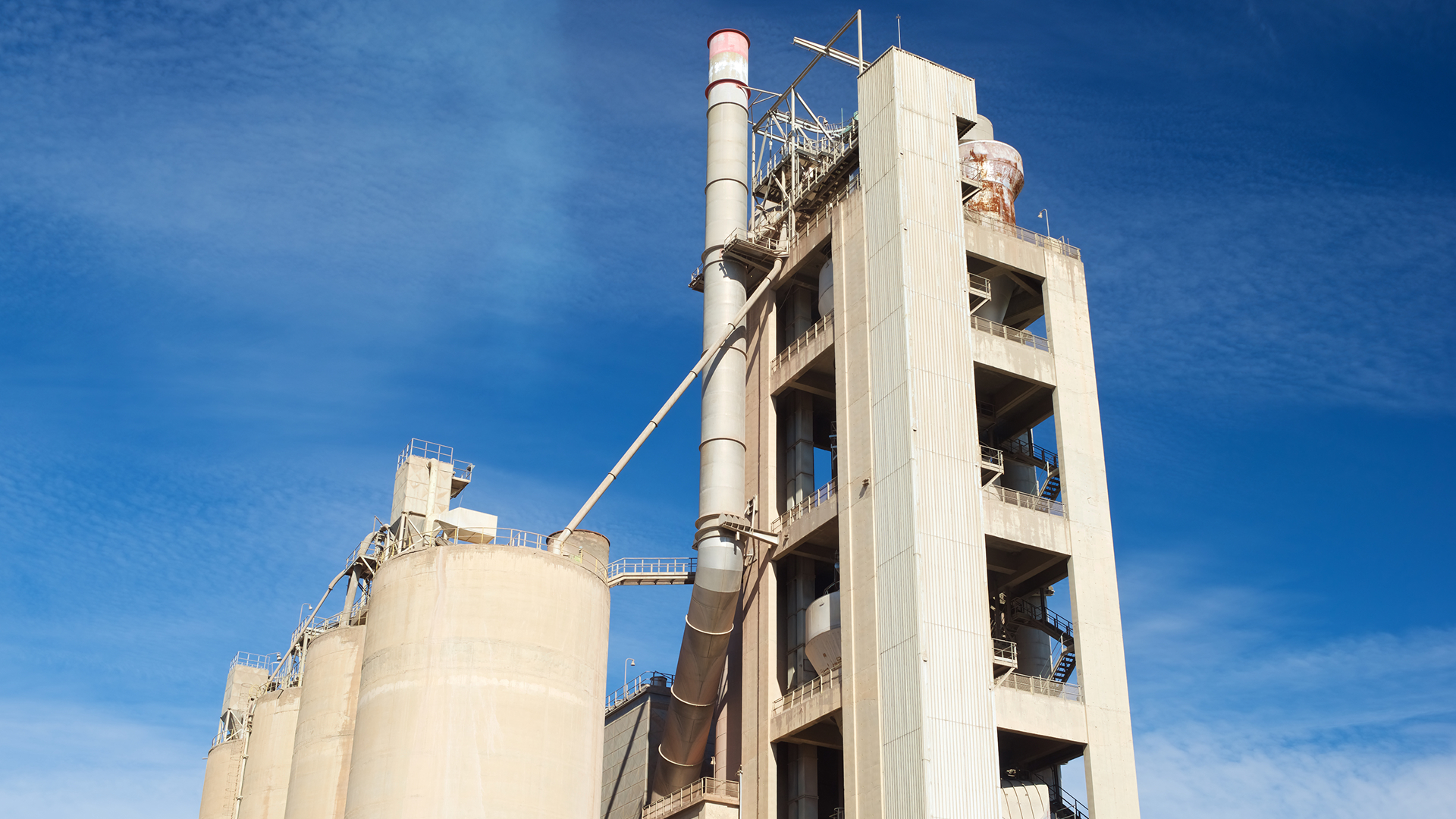
In a cement manufacturing plant, routine Oil Analysis was carried out on the main gearbox of a rotary kiln. One laboratory report revealed a gradual rise in iron and chromium concentrations, accompanied by elevated particle counts. Together, these indicators pointed to the early stages of gear mesh wear.
By trending the data over time, the maintenance team identified the risk before it escalated and scheduled a targeted inspection during the next planned shutdown, aligning the intervention with scheduled maintenance activities.
The inspection confirmed pitting on one of the pinion gears, and the component was replaced under controlled conditions.The intervention prevented several days of unplanned downtime, reduced the risk of secondary damage to the kiln drive, and saved significant production losses.
Necessary Skills and Training
Oil Analysis demands a skill set that ranges from basic oil sampling and contamination control to advanced interpretation of lubricant chemistry and wear mechanisms, depending on the level of involvement.
Skills Needed
Oil Analysis requires an intermediate level of expertise, combining practical sampling skills with analytical knowledge of lubricant chemistry and wear mechanisms.
For basic use of the technique, technicians must be trained in proper sampling procedures, contamination control, and the routine operation of portable field-testing devices such as particle counters or moisture sensors. Introductory training is usually sufficient at this stage to ensure consistent and reliable data collection during inspection rounds.
For in-depth analysis and diagnosis, analysts need a deeper understanding of oil chemistry, wear mechanisms, and fault interpretation. They must be able to trend parameters such as wear-metal concentrations, viscosity, and TAN/TBN values, and correlate changes with specific degradation processes or failure modes. Formal training in specialized methods such as elemental spectroscopy, ferrography, and moisture analysis is recommended. This level of practice typically requires formal certification or equivalent field experience, ensuring that findings are accurate, consistent, and actionable within a Predictive Maintenance program.
Training
Is your team struggling to leverage Oil Analysis insights? Technical Associate of Europe offers dedicated oil-condition monitoring training, from one-day introductory sessions on sampling practices and field testing to advanced multi-day courses aligned with ISO 18436-4 certification standards. These programs equip technicians and analysts with the skills to perform accurate oil sampling, interpret laboratory and sensor results, and apply findings within a Predictive Maintenance strategy.