

Machinery Overview
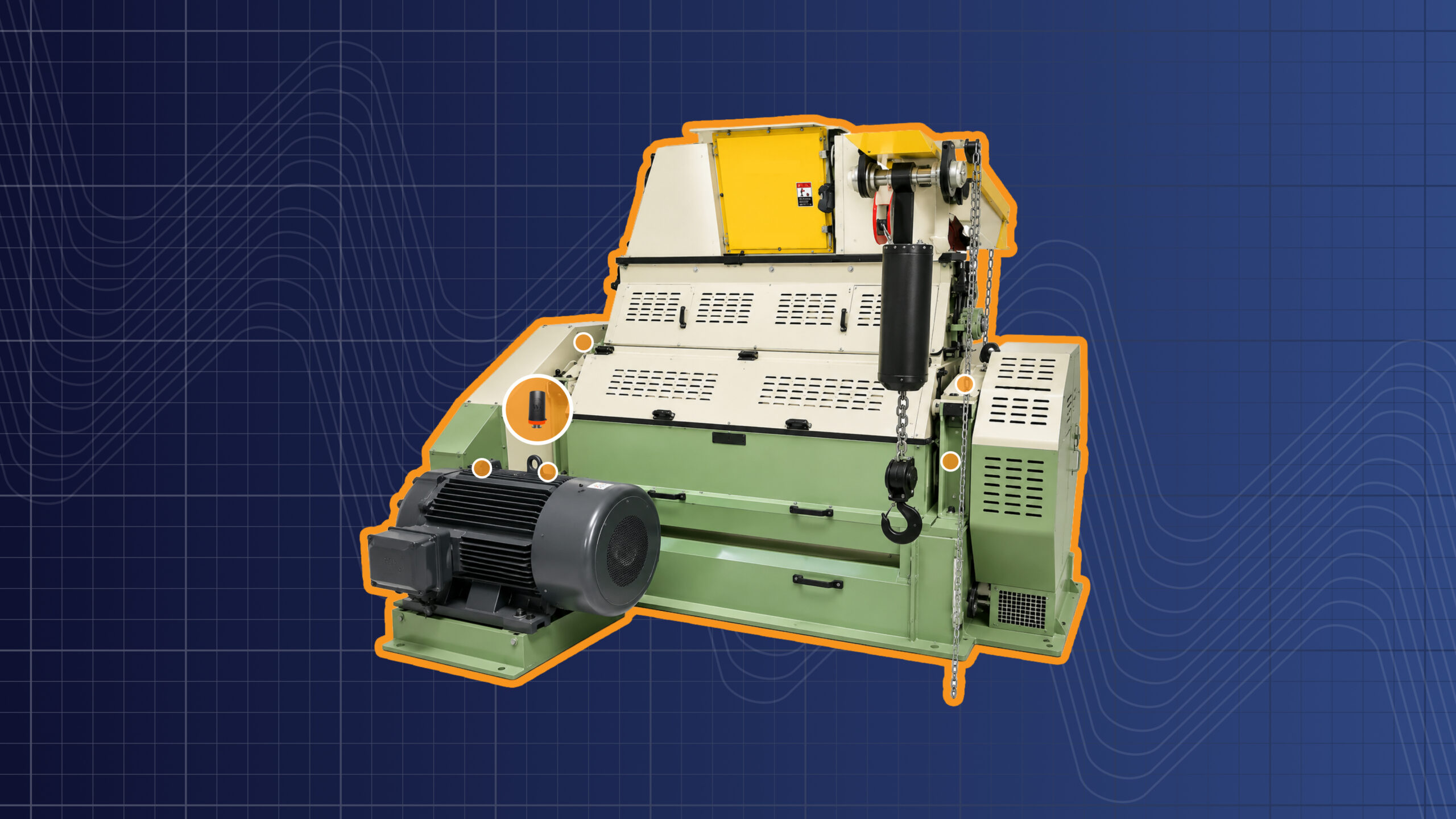
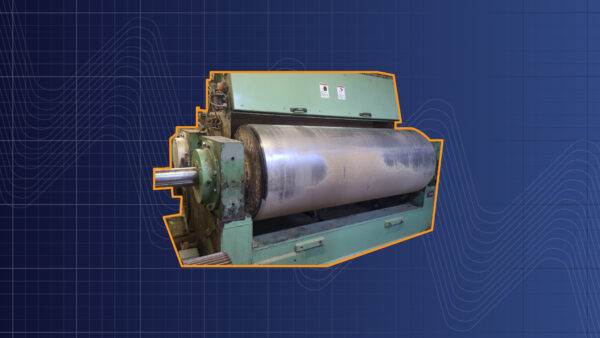
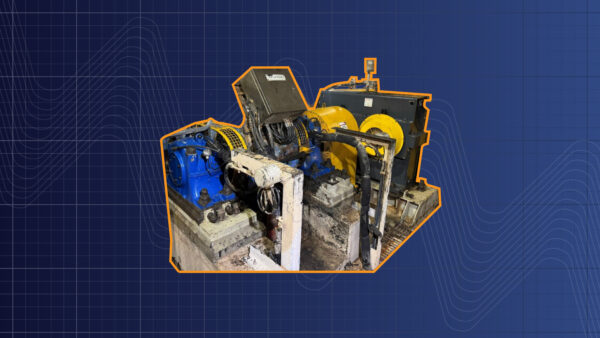
The monitored asset is a flaking mill operating in the Food & Beverage industry. In soybean crushing and oilseed processing facilities, flaker mills are used to compress processed oil-bearing material into thin flakes before extraction. Flake quality plays a critical role in maximizing extraction efficiency and maintaining stable downstream processing conditions.
The flaking mill operates using two large rolls rotating at a controlled speed to flatten the material. In this case, the mill operated at approximately 296 RPM and was driven by a fixed-speed motor running at 1190 RPM.
One of the characteristic failure modes affecting flaker mills is polygonization, also referred to as faceting. Over time, the rolls progressively lose their perfectly round geometry and develop flat areas around their circumference. This phenomenon is typically caused by self-excited vibrations arising from interactions between rolls operating at slightly different surface speeds.
As polygonization progresses, repeated impacts from the facets lead to increased vibration levels, accelerated roll wear, and degradation in flaking quality. Detecting these vibration patterns early is therefore essential to optimize roll service life and plan maintenance interventions before severe deterioration occurs.
Monitoring Devices and Software Set-up
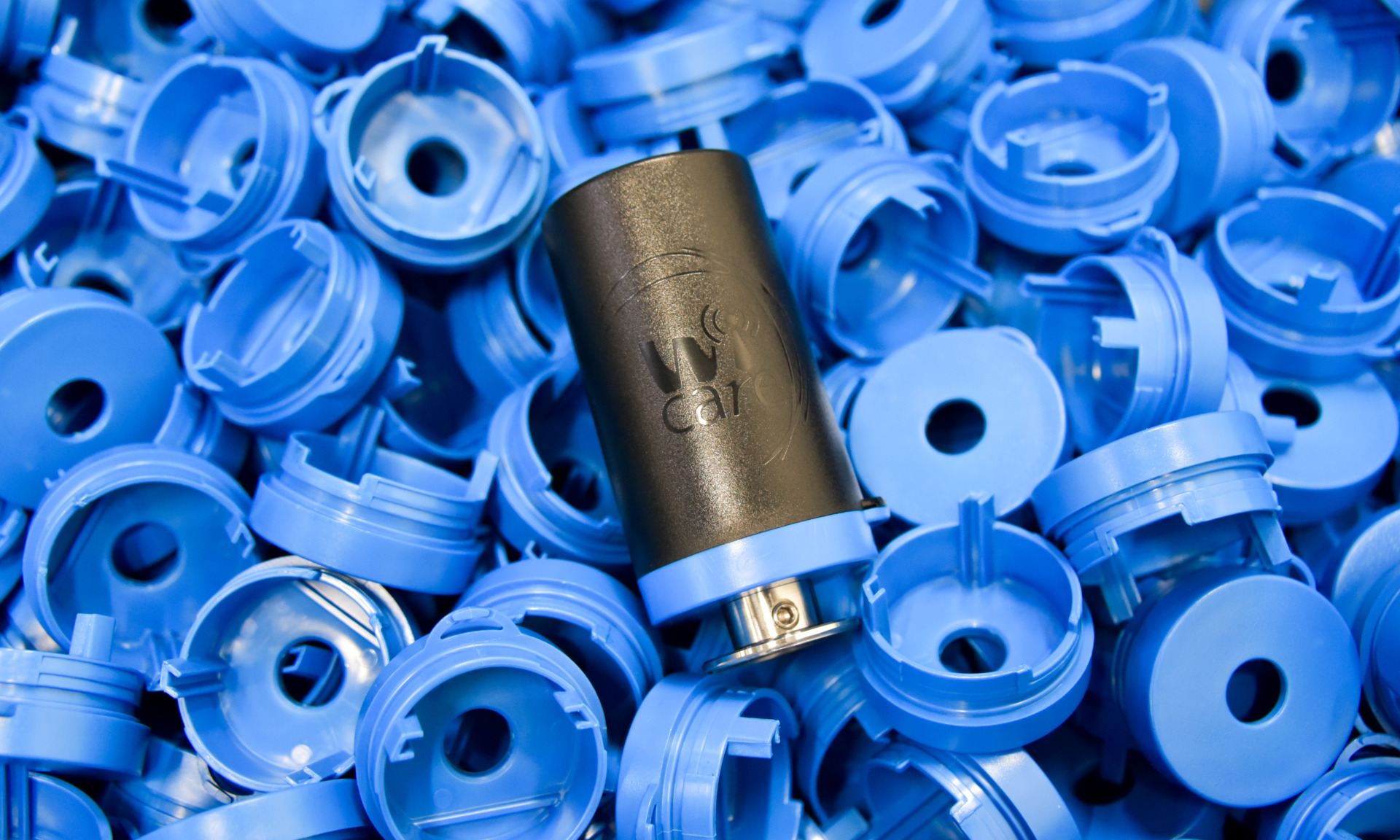
I-care reliability engineers installed Wi-care™ wireless vibration sensors across the flaking mill to continuously monitor the mechanical condition of the system.
The monitoring setup included two sensors mounted on the drive motor and four sensors positioned on the bearing locations of the mill rolls. This configuration enabled continuous monitoring of vibration behavior across both the drive system and the roll assembly.
Once installed, the Wi-care™ wireless vibration sensors continuously transmitted vibration data to I-see™, I-care’s AI-powered PdM software. The platform automatically processed incoming vibration data and highlighted abnormal trends or vibration behavior requiring further analysis by the I-care vibration analyst.
The diagnosis in this case relied primarily on vibration trends and FFT spectrum analysis. Polygonization in flaker mills generates characteristic synchronous vibration patterns linked to the roll rotational speed, together with repetitive impacts in the vibration signal. This type of vibration analysis plays a critical role in identifying the onset and progression of the defect through continuous monitoring.
I-care vibration analyst then reviewed the generated reports and validated the detected vibration patterns to assess the severity and progression of the issue.


Detailed Analysis
Step 1 | Issue Detection
After the installation of new mill rolls at the end of August, vibration levels remained relatively stable for several months. Toward the end of December, however, abnormal vibration behavior began to emerge on the flaking mill.
The I-see™ dashboard progressively highlighted increasing vibration amplitudes on the roll measurement points, particularly around synchronous vibration components linked to the mill rotational speed.
As the vibration levels continued to increase over time, the issue was flagged for further investigation by the I-care vibration analyst.
Step 2 | Analysis
A closer review of the vibration data revealed repetitive impacts in the time waveform occurring at regular intervals. In parallel, FFT spectrum analysis showed the progressive appearance of strong synchronous vibration components centered around approximately 30x the roll rotational speed, consistent with repetitive impacts generated by the developing roll facets.
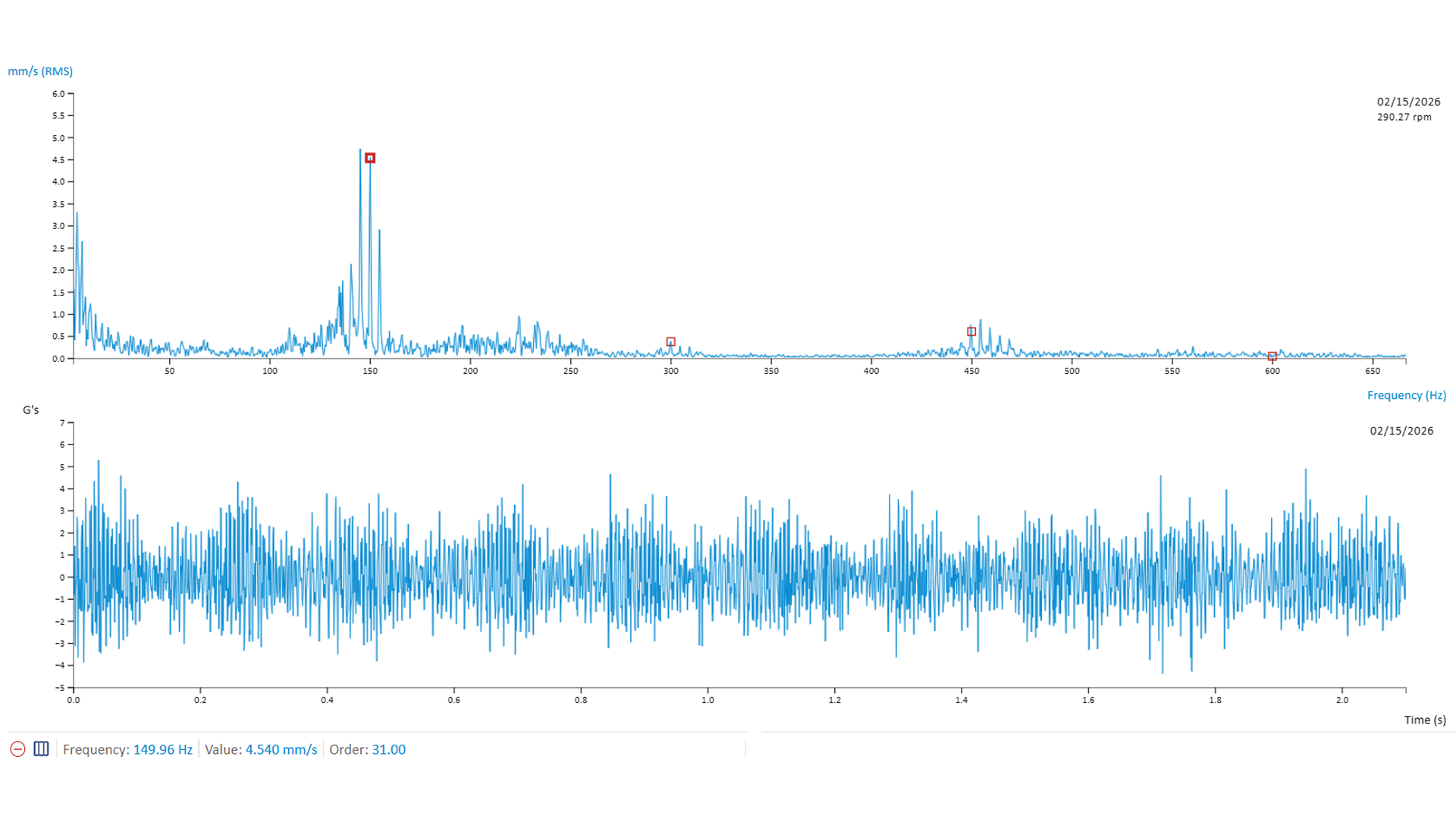

As the vibration amplitudes increased over time, the harmonic family became progressively more pronounced, with modulation patterns repeating at the mill rotational speed, consistent with the repetitive impacts generated by the developing facets.
This vibration behavior matched the characteristic signature associated with polygonization in flaker mills.
As flat areas progressively develop around the roll circumference, repeated impacts are generated during rotation, producing synchronous vibration patterns and repetitive impact behavior that become increasingly visible in the vibration data.
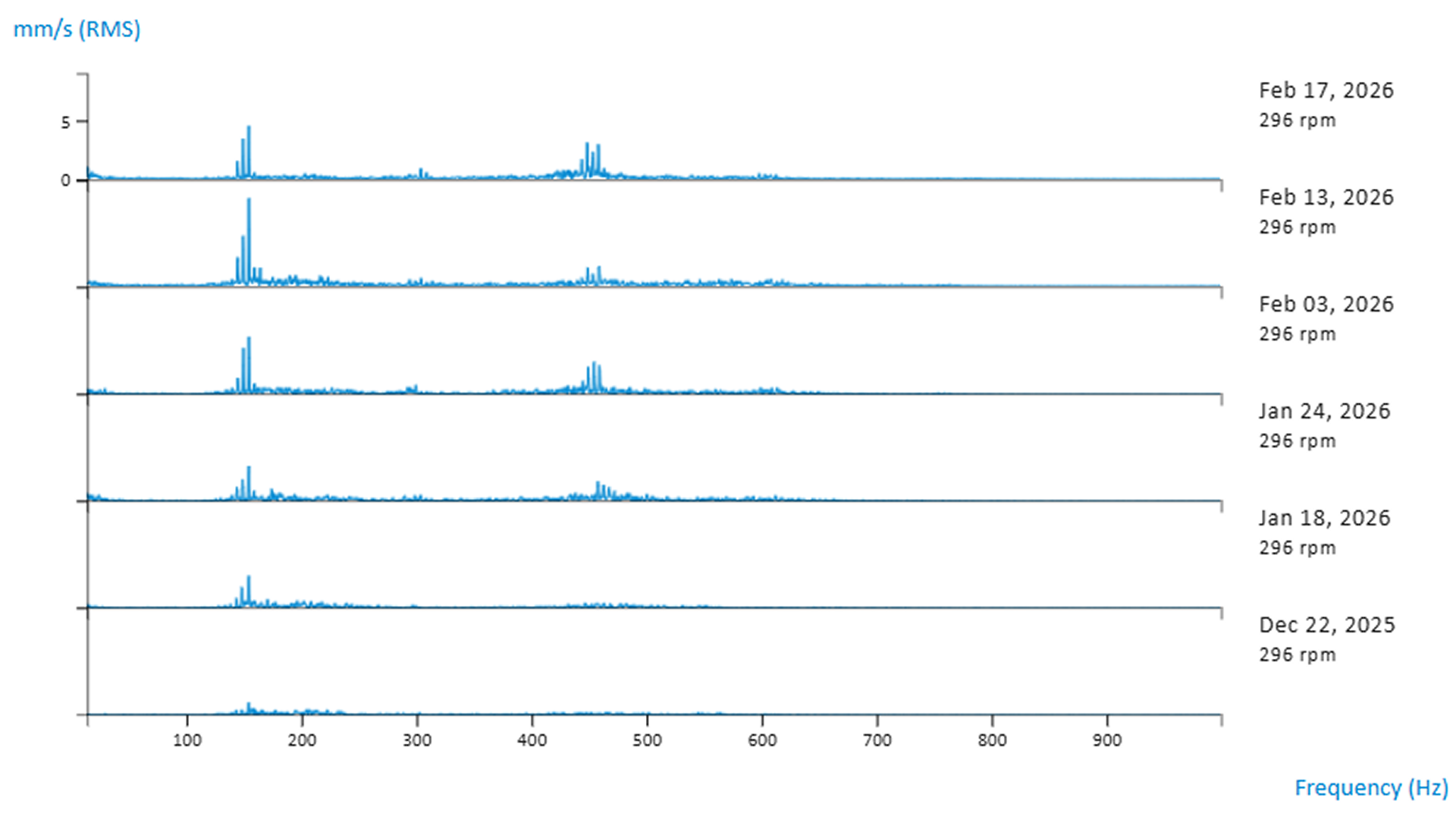
Trend analysis confirmed the gradual progression of the defect over several weeks, while the repeatability of the synchronous vibration pattern enabled the I-care vibration analyst to identify the onset of polygonization at an early stage.
Step 3 | Recommendation
Because the defect remained at an early stage of development and vibration levels indicated gradual rather than critical deterioration, immediate intervention was not considered necessary.
I-care therefore recommended maintaining operation under continued monitoring and scheduling corrective action during a planned shutdown.
Step 4 | Monitoring
Following the recommendation, the flaking mill remained under continuous monitoring while the maintenance team prepared the planned intervention.
Over the following weeks, vibration amplitudes continued to increase progressively on the roll measurement points, consistent with the ongoing deterioration of the roll surfaces.

Continuous monitoring through Wi-care™ wireless vibration sensors and I-see™ allowed the I-care vibration analyst to closely follow the evolution of the defect and assess when the planned maintenance intervention should be scheduled.
Step 5 | Planned intervention
As vibration amplitudes continued to increase over the following weeks, the maintenance team proceeded with the planned shutdown intervention.
The mill rolls were ultimately removed during the scheduled shutdown and sent for regrinding to restore their surface geometry and eliminate the faceting defects.
![Flaker mill roll surface showing visible polygonization (faceting) defects identified after inspection, confirming the vibration analysis diagnosis of developing roll geometry deterioration ]](https://www.icareweb.com/wp-content/uploads/2026/06/flaker-mill-roll-polygonization-faceting-defect-01-v1.png)
Step 6 | Effectiveness
After the reinstallation of the reground rolls, vibration amplitudes returned to low baseline levels comparable to those observed immediately after the installation of new rolls.
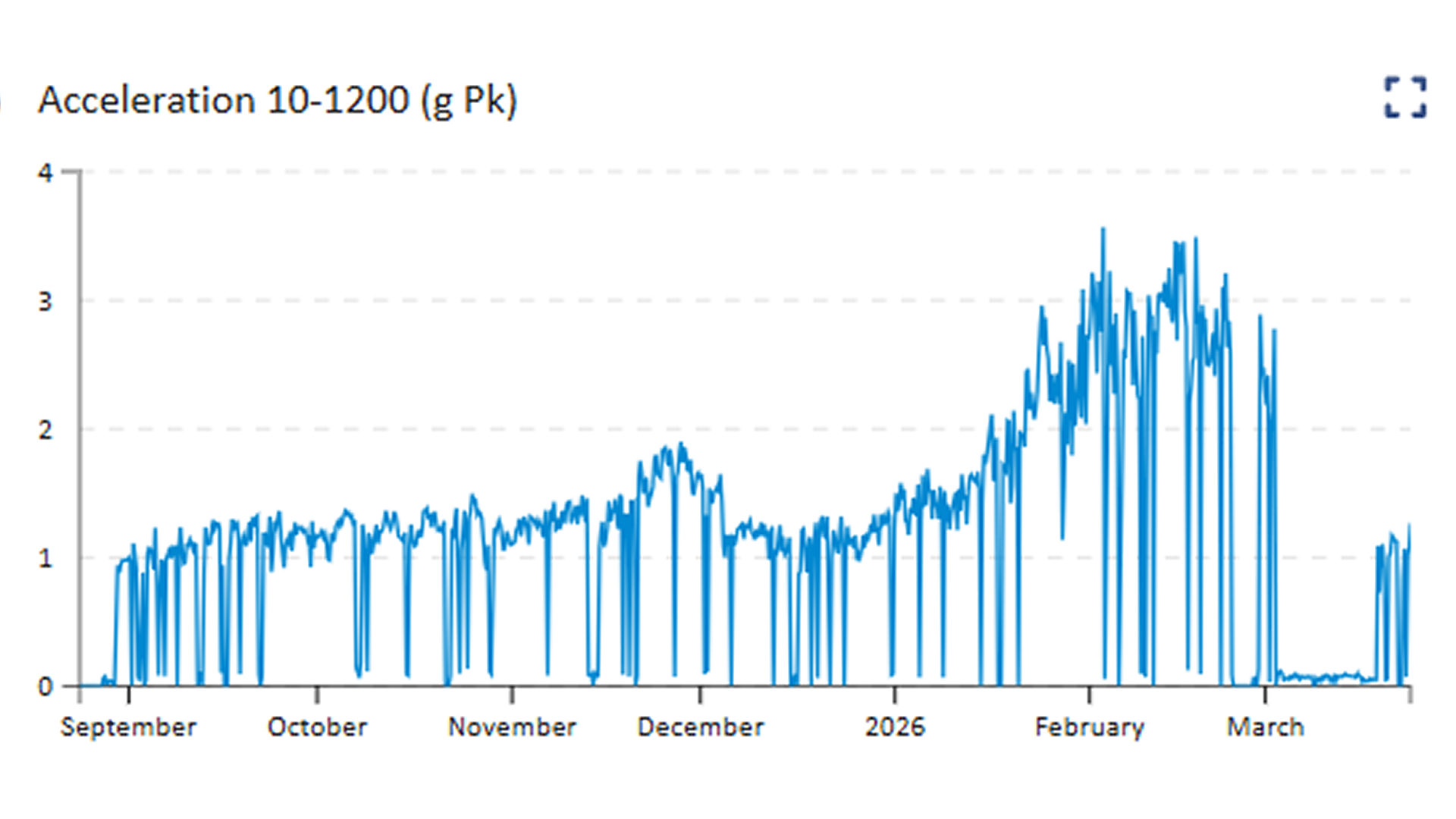
FFT spectrum analysis confirmed the disappearance of the synchronous vibration components previously associated with the polygonization phenomenon. The repetitive impact behavior observed before the intervention was no longer present in the vibration data.
The comparison between the vibration measurements recorded before and after regrinding validated both the diagnosis and the effectiveness of the corrective action.

Results
Vibration Analysis Revealed the Progressive Development of Roll Faceting
This case demonstrated that polygonization in flaker mills can be identified at an early stage through continuous vibration monitoring.
Using Wi-care™ wireless vibration sensors and I-see™, I-care’s AI-powered PdM software, the characteristic vibration signatures associated with roll faceting were successfully detected and validated through vibration trends and FFT spectrum analysis.
Early identification of this type of defect is particularly valuable in flaker mills, where polygonization can accelerate roll wear and negatively affect flaking quality and process efficiency.
Although the rolls in this case were reground after the defect had already progressed significantly, the case confirmed that this failure mode can be recognized much earlier through continuous monitoring. This experience also strengthened the diagnostic recognition of polygonization patterns for future applications.
This case highlights how continuous vibration analysis can support optimized maintenance planning and improved roll service life management in the Food & Beverage industry.
Learn About Our
Technical Cases

Our Solutions Span All Assets,
Including Yours.
Are you ready to enhance your efficiency?